Honmaru Palace & Other Nijo Castle Features
You’ve probably seen pictures of Nijo Castle, maybe even imagined walking through its grand gates. It's a UNESCO World Heritage site, a former residence of the Tokugawa shoguns, and honestly, a must-see if you find yourself in Kyoto. While the Ninomaru Palace gets most of the visitor attention, a significant part of the castle complex, the Honmaru Palace, holds its own quiet history and distinct beauty.
Many visitors rush through, but taking your time to understand the different areas, from the intricate Nijo Castle architecture to the subtle details of its interior, really makes the experience. We'll explore the Honmaru Palace and its surrounding Nishi-no-Maru Garden, then dive into the accessible wonders like the famous nightingale floor, the stunning Kano school paintings inside Ninomaru Palace, and other key features that make this place so special. You can expect plenty of practical tips too, so you know exactly what to do at Nijo Castle.
Understanding the Honmaru Palace and its Nishi-no-Maru Garden
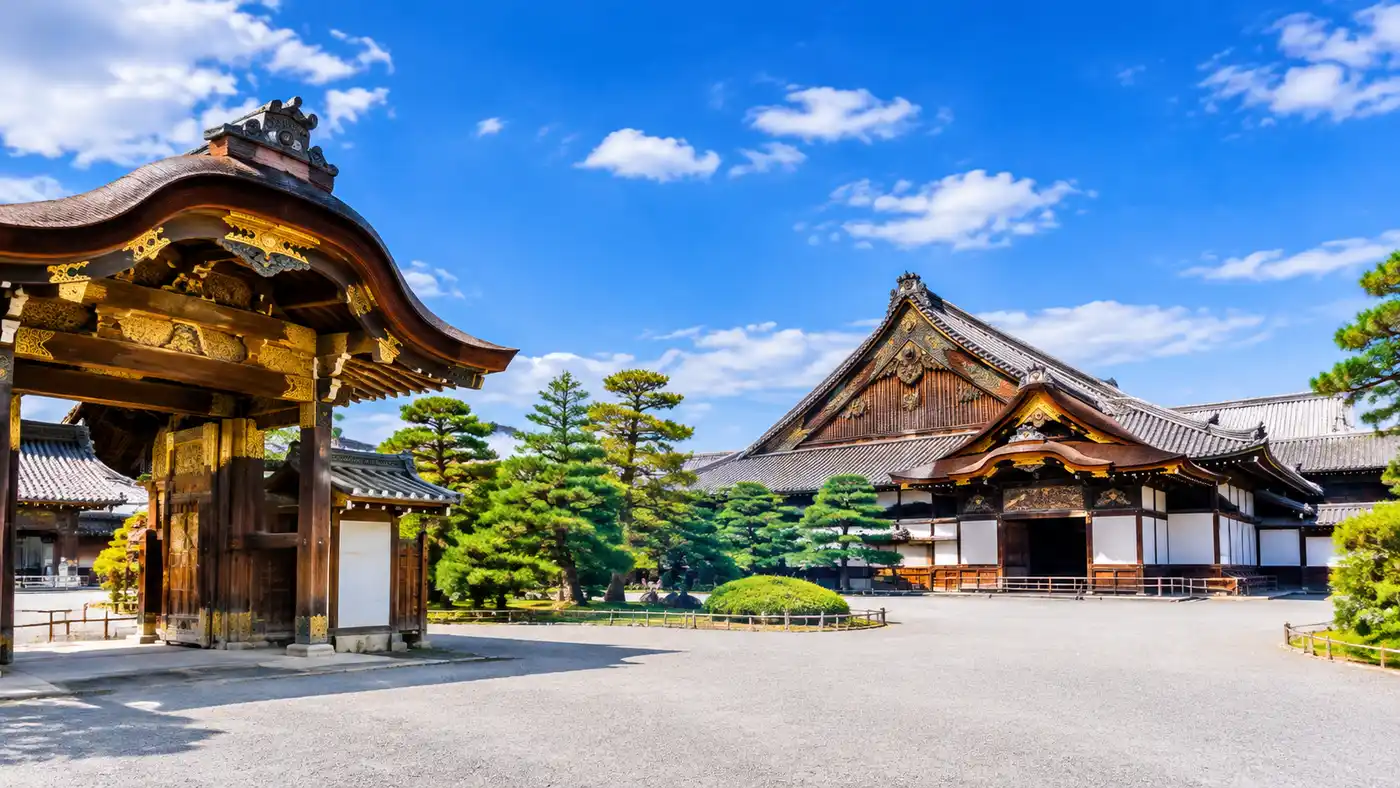
The Honmaru Palace, often called the Honmaru Goten Palace, sits at the heart of the inner ward. It's an imposing structure, originally built for Emperor Go-Mizunoo. The current Honmaru Palace, however, actually moved here from the Katsura Imperial Palace in 1893. It's a beautiful example of late Edo period residential architecture, though it contrasts quite a bit with the older Ninomaru Palace.
What's a bit disappointing for some, I think, is that you can't actually go inside Nijo Castle's Honmaru Palace. It's kept closed to the public, mostly for preservation reasons. You can admire its exterior, though, and walk all around it. The Nishi-no-Maru Garden, which surrounds the Honmaru Palace Nijo Castle, offers some lovely views of the building and the castle walls. We spent a good 25 minutes just wandering through this garden, taking in the serene atmosphere and the carefully manicured landscape. It’s a nice break from the crowds you might find elsewhere.
This garden, the Nishini-no-Maru Garden Nijo Castle, was designed for the Shogun's private use. It features a large pond with three small islands and offers a different landscaping style compared to the Ninomaru Garden. You can get some excellent photos of the Honmaru Palace from here, especially if you catch it on a sunny morning. The stone walls around the Honmaru ward are also impressive, giving you a sense of the castle's defensive capabilities.
Book your nijo castle experience:
Inside Nijo Castle: The Ninomaru Palace and its Nightingale Floors
While the Honmaru Palace is mostly for exterior viewing, the Ninomaru Palace is where you truly experience the Nijo Castle interior. This is the main attraction, the place where you’ll remove your shoes and step back in time. Honestly, the famous nightingale floor Nijo Castle is even more fascinating in person than I expected. It squeaks and chirps with every step, sounding just like birds. This wasn't just for show; it was an early warning system against intruders, an ingenious bit of Nijo Castle architecture.
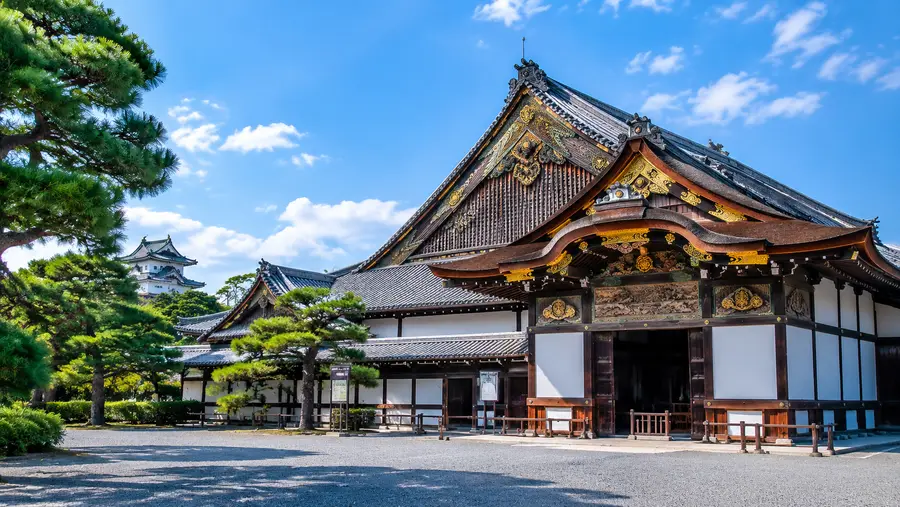
Walking through the various rooms of the Ninomaru Palace, you get a real sense of the shogun's daily life and the political machinations that happened here. The Grand Chamber Nijo Castle, or Ohiroma, is particularly striking. It's where the shogun would receive feudal lords. The Nijo Castle paintings are truly breathtaking. These are not just any paintings; they are exquisite examples of the Kano school Nijo Castle, featuring bold brushstrokes and vibrant gold backgrounds. You’ll see magnificent tigers, pine trees, and exotic birds adorning the sliding doors, or fusuma. The Chikurin-Unko-zu tiger paintings Nijo Castle are incredibly dynamic, showing a mix of strength and, dare I say, almost a playfulness, which is unexpected for fierce tigers.
Each room has a different theme, designed to impress and perhaps intimidate visitors. The Yonkoma Kusama room in Nijo Castle, for instance, features a different type of artistry. You can really spend a while just admiring the detail in each panel. It's a visual feast, giving you a glimpse into the artistic tastes of the period. Remember, no photos are allowed inside, so truly soak it all in. If you want a deeper dive into this part of the complex, you might enjoy reading our article on Exploring Ninomaru Palace & Gardens at Nijo Castle.
Pro tip: Plan to visit Ninomaru Palace early in the morning, right after opening. The nightingale floors can get quite crowded, and the sound of many footsteps means you lose some of that quiet, eerie effect. Fewer people allow you to appreciate the unique acoustics better.
Beyond the Palaces: Gates, Walls, and a Different Perspective
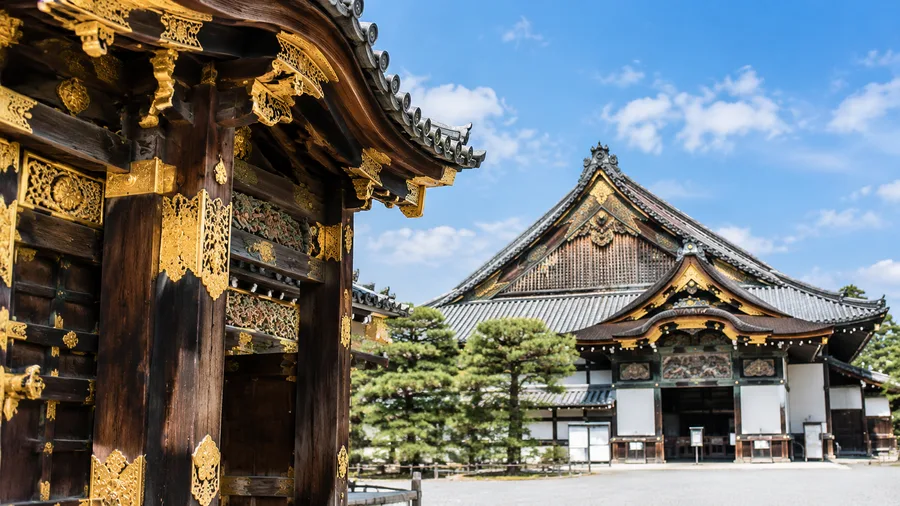
Nijo Castle isn't just about its palaces; the entire complex is a marvel of Japanese castle architecture. The Karamon Gate Nijo Castle, for instance, is a stunning entrance to the Ninomaru Palace. It's adorned with intricate carvings of cranes, pines, and plum blossoms, all covered in gold leaf. You'll probably take a dozen photos of it, it's that ornate. It really sets the tone for the grandeur inside.
The castle layout itself is quite strategic, designed with multiple moats and high stone walls for defense. There are actually two concentric rings of walls and moats. The outer walls protect the entire complex, while the inner walls specifically guard the Honmaru Palace. Walking along the path between these walls gives you a good sense of the scale and the defensive planning involved. It’s easy to imagine samurai patrolling these grounds.
Don't forget to climb up the Honmaru yagura-mon Nijo Castle, a watchtower gate that offers a panoramic view over the entire Honmaru area and parts of the Ninomaru. It’s one of the best spots for a wide-angle shot of the grounds. The view lets you appreciate the Nijo Castle plan, seeing how everything fits together, the gardens, the moats, and the distant city beyond. It’s a great vantage point, and many people miss it, honestly.
Book your nijo castle experience:
Practicalities and Hidden Details for Your Nijo Castle Visit
Getting the most out of your visit to Nijo Castle means paying attention to the details and planning a bit. When you go inside Nijo Castle, specifically the Ninomaru Palace, you will remove shoes. There are lockers available for this, and it’s a very standard practice in Japan. The staff are quite used to tourists, so don't worry about it. Just make sure you're wearing socks you don't mind showing off!
Beyond the main attractions, keep an eye out for smaller, less obvious features. For example, the various types of stone walls, each telling a story of different construction periods or repairs. Or the subtle changes in garden design as you move from one area to another. The Nijo Castle interiors Kyoto are truly rich with history and art. You might see some smaller rooms with less dramatic Nijo Castle painting images, but they are still beautiful.
Note: While the Ninomaru Palace is generally accessible, some parts might be closed for restoration at various times. Check the official website or signage at the entrance for any current closures. This happened on my last visit, a small section was cordoned off.
For those interested in the full experience of a Nijo Castle visit, consider spending at least 2.5 to 3 hours here. That gives you enough time to explore both gardens, walk around the Honmaru Palace, and take your time inside the Ninomaru Palace. Many people try to do it in an hour, but you'll miss so much. If you're wondering what to do in Nijo Castle, the answer is mostly to slow down and observe.
Quick Reference
- Honmaru Palace: Exterior viewing only.
- Ninomaru Palace: Interior access, famous nightingale floors.
- Kano School Art: Stunning paintings inside Ninomaru.
- Shoe removal: Required for Ninomaru Palace.
- Average visit time: 2.5 to 3 hours recommended.
Nijo Castle's Palaces: A Quick Comparison
To help you visualize the different experiences each palace offers at Nijo Castle, here’s a quick overview. This isn't exhaustive, but it hits the main points people ask about. It really helps to know what to expect before you arrive.
| Feature | Ninomaru Palace | Honmaru Palace |
|---|---|---|
| Public Access | Yes, interior access | No, exterior viewing only |
| Primary Use | Shogun's official reception rooms | Shogun's private residence |
| Key Highlights | Nightingale floors, Kano school paintings, Grand Audience Room | Historical significance, Nishi-no-Maru Garden views |
| Architectural Style | Early Edo period, elaborate | Late Edo period, more subdued |
| Current Condition | Well-preserved original structure | Rebuilt, moved from elsewhere |
What to Focus On During Your Visit
Honestly, with so much to see, it’s easy to feel overwhelmed. Here are a few things I think are really worth seeking out, beyond just the obvious, when you visit Nijo Castle:
- The "Weak Tiger" Painting: Look closely at the Kano school Nijo Castle tigers. There's a famous one, sometimes called the Nijo Castle tiger weak, painted with slightly less ferocity, perhaps symbolizing humility or a specific artistic choice. It's a small detail, but fascinating.
- Nijo Castle Wall Paintings: Don't just look at the famous ones. Many of the less grand rooms also feature beautiful, if simpler, silk screen paintings. These Nijo Castle painting gallery pieces show the pervasive artistry of the period.
- Nijo Castle Architecture: Take a moment to appreciate the different roof styles and the construction methods. The various gates, like the Higashi-Otemon Gate, are also architectural gems in their own right.
- The Moats: The double moats are not just defensive; they are also quite picturesque. Pay attention to the stone work.
Frequently Asked Questions about honmaru palace
Can visitors go inside Nijo Castle's Honmaru Palace?
No, the Honmaru Palace itself is not open to the public for interior viewing. You can only view it from the outside and walk around its perimeter within the Honmaru ward.
What is the difference between Honmaru Palace and Ninomaru Palace at Nijo Castle?
Ninomaru Palace served as the shogun's official reception and office area, and it is open for interior tours. Honmaru Palace was the shogun's private living quarters, and it is currently closed to the public.
Are there nightingale floors in the Honmaru Palace?
No, the famous nightingale floors, designed to squeak as a security measure, are a feature unique to the Ninomaru Palace at Nijo Castle, not the Honmaru Palace.
Quick Reference
- Honmaru Palace: Exterior only.
- Ninomaru Palace: Interior, nightingale floors.
- Kano school paintings: Inside Ninomaru.
- Remove shoes for Ninomaru.
- Allocate 2.5-3 hours for visit.
Book your nijo castle experience:
My Take on Nijo Castle's Palaces
Visiting Nijo Castle is an experience that truly transports you. While the Honmaru Palace may not offer interior access, its presence, coupled with the serene Nishi-no-Maru Garden, provides important context to the entire complex. The real magic, though, happens inside the Ninomaru Palace, where the nightingale floors and the stunning Kano school art speak volumes about Japan's rich history and artistic heritage. It's more than just a castle; it’s a living testament to a powerful era. Don't rush it; take your time to explore every corner and let the stories unfold around you. You'll be glad you did.
Read more about nijo castle.