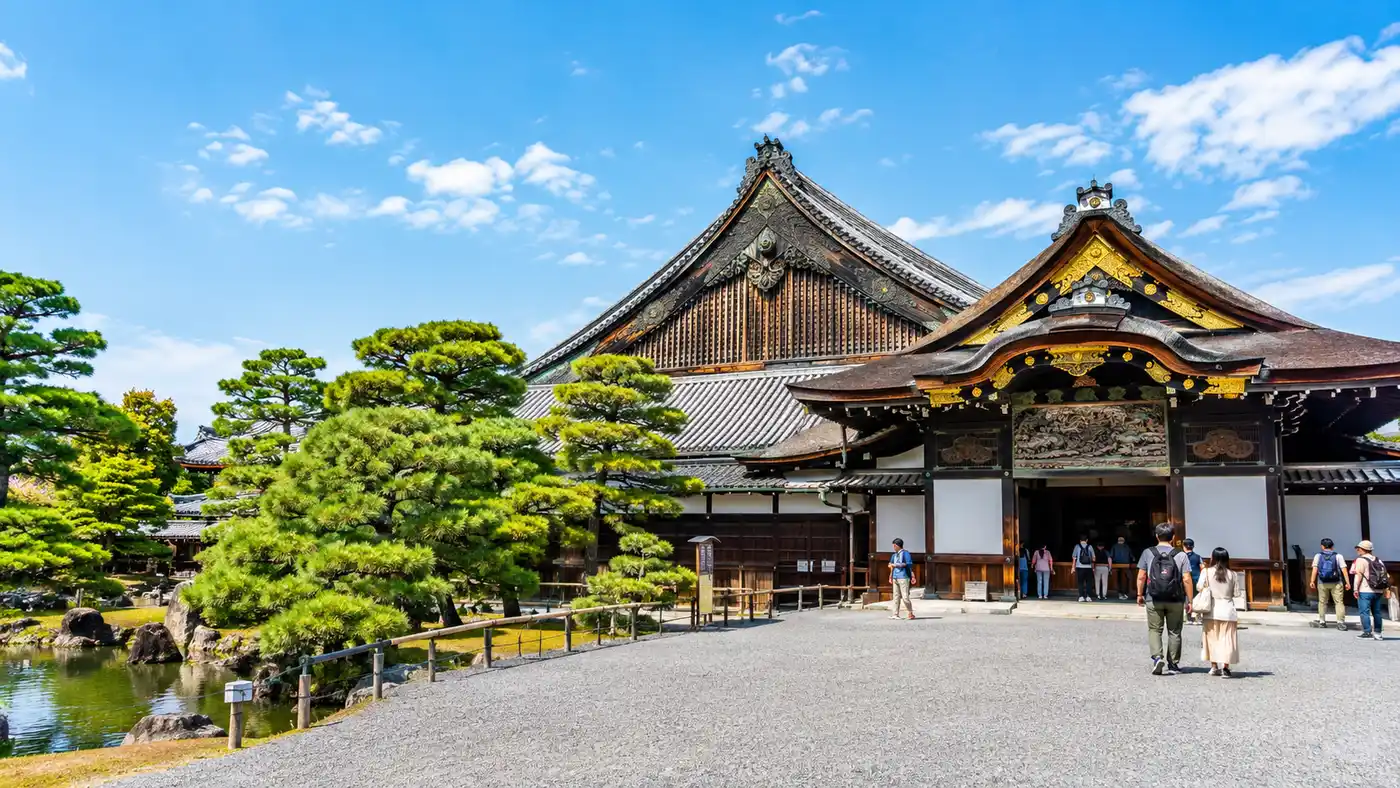
Exploring Ninomaru Palace & Gardens at Nijo Castle
Stepping into Nijo Castle, you immediately feel the weight of history. It's a vast complex, but for many visitors, the absolute highlight is the Ninomaru Palace. This isn't just a building; it's a living museum, a window into the lives of shoguns and the political machinations of feudal Japan. You really get a sense of the power and artistry of the Edo period here, a feeling quite unlike anywhere else in Kyoto. This article will guide you through the intricate beauty of the Ninomaru-goten Palace itself, exploring its famous 'nightingale floors' and opulent chambers. We'll also wander through the breathtaking Ninomaru Garden, a landscape masterpiece designed for viewing from the palace halls. Expect practical tips for your visit, a few local insights, and maybe even a tangential thought or two about what it all meant.Book your nijo castle experience:
Walking Through the Ninomaru Palace - A Sensory Journey
The moment you step onto the wooden corridors of the Ninomaru Palace, you’re greeted by the distinctive squeak of the "nightingale floors." They weren't meant for beauty, honestly, but as an alarm system. Every step makes a chirping sound, designed to alert guards to intruders. It's an ingenious, slightly eerie feature, and it definitely adds to the experience as you shuffle along in your socks. You have to take your shoes off before entering, which is standard for many historical sites in Japan. Inside, the palace is a series of grand halls, each more elaborately decorated than the last. The sheer scale of the artistry is incredible. Golden screen paintings depict tigers, pine trees, and exotic birds, all rendered with astonishing detail. These weren't just pretty pictures; they were symbols of power and status for the shogun. You can almost hear the hushed whispers of samurai and courtiers as you walk through these spaces, imagining the important meetings that took place here.Pro tip: Go early in the morning if you can. The palace can get very crowded, and walking the nightingale floors with fewer people around makes for a much more immersive experience. It's easier to hear the deliberate squeaks then.
The Grandeur Inside Ninomaru-goten Palace
As you explore the Ninomaru Palace in Nijo Castle, you'll pass through several distinct sections, each with its own character and purpose. The first major hall you encounter is the Shikidai-no-ma, or the "Reception Room," where feudal lords would wait to be granted an audience. The paintings here are a bit more subdued, reflecting the waiting status of its occupants. Then you move into the Ohiroma, the Grand Audience Hall. This is where the shogun would meet with his most important daimyo, seated on a raised platform. The paintings here are particularly striking, often featuring fierce tigers and powerful pine trees, symbols of strength and longevity. It really feels like you are walking into history when you stand in this room. The scale of the space and the artistry on display are truly impressive.Note: Photography is strictly prohibited inside the Ninomaru Palace. Guards are usually present, so please respect this rule. You’ll just have to remember the beauty with your own eyes.
| Area | Key Features | Estimated Viewing Time | Atmosphere |
|---|---|---|---|
| Outer Corridors | Nightingale floors, initial screen paintings | 10-15 minutes | Anticipatory, historical |
| Shikidai-no-ma | Waiting rooms, less elaborate art | 10 minutes | Formal, subdued |
| Ohiroma | Grand Audience Hall, bold tiger/pine paintings | 15-20 minutes | Imposing, powerful |
| Kuro-shoin | Private audience room, birds and flowers | 10 minutes | Intimate, refined |
| Shiro-shoin | Shogun's living quarters, subtle landscapes | 10 minutes | Serene, private |
| Ninomaru Garden (from palace) | Pond, stone arrangements, pines | Viewed from inside | Tranquil, artistic |
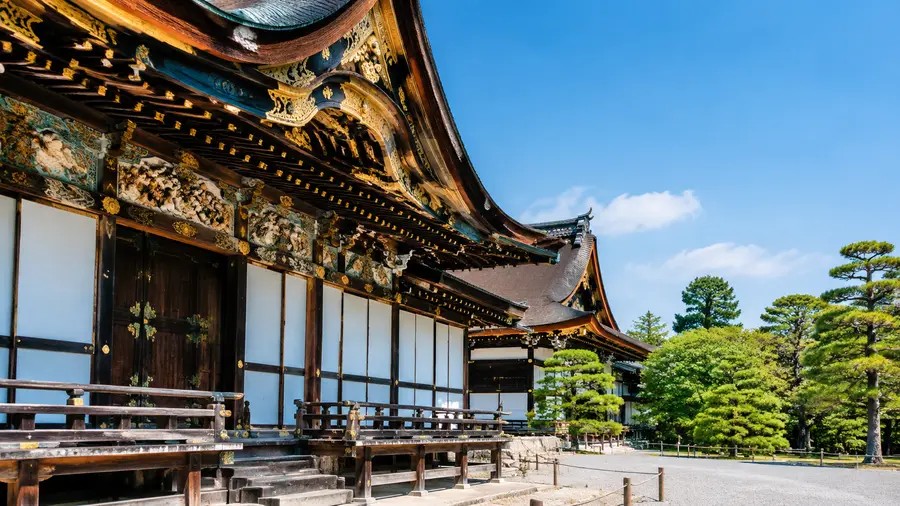
The Ninomaru Garden - A Landscape Masterpiece at Nijo Castle
Just outside the Ninomaru-goten Palace, you'll find the stunning Ninomaru Garden. This garden is a classical example of a traditional Japanese landscape garden, designed specifically for viewing from the palace itself. It was laid out by the famous landscape architect Kobori Enshu, honestly one of the best. The idea was to create a harmonious blend of natural elements, artfully arranged to evoke a sense of peace and contemplation. The central feature of the Ninomaru Garden is a large pond, complete with three islands. These islands represent Mount Horai, a legendary immortal's land, and a crane and a turtle, symbols of longevity. You’ll notice the carefully placed stones, some quite large, and the meticulously pruned pine trees. Every element feels deliberate, designed to create a miniature, idealized landscape. It’s not a garden you typically wander through much; rather, it’s meant to be admired from the verandas of the palace, changing subtly with the seasons. I think the best time to appreciate the Ninomaru Garden is in the spring or autumn, when the surrounding trees add vibrant splashes of color. Even in winter, the stark beauty of the evergreens and rocks has its own charm. It’s definitely a place that encourages you to slow down, to really look at the details. You can spend a good 30 minutes just sitting on the palace veranda, soaking it all in. If you're wondering how long you might spend at the entire castle, this article on how long to visit Nijo Castle might help you plan your day.Book your nijo castle experience:
Planning Your Visit to Ninomaru Palace and Gardens
Getting to Nijo Castle, and by extension the Ninomaru Palace, is pretty straightforward in Kyoto. It's centrally located and easily accessible by public transport. Once you are inside the castle grounds, signs clearly direct you to the palace entrance. Just remember that the Ninomaru Palace is part of the larger Nijo Castle complex, so your admission ticket covers everything. Here are a few things to keep in mind for your visit:- Admission Cost: Entrance to Nijo Castle, which includes access to the Ninomaru Palace and grounds, costs around 1,300 yen for adults.
- Opening Hours: The castle typically opens at 8:45 AM and closes at 5:00 PM, with the last entry at 4:00 PM. The Ninomaru Palace usually has slightly shorter hours, often closing around 4:10 PM. Check the official website for the most current times.
- Best Time to Visit: Early morning, right after opening, is ideal. You avoid the largest tour groups and can experience the palace's quiet atmosphere. Weekdays are generally less crowded than weekends.
- Footwear: You will need to remove your shoes before entering the Ninomaru-goten Palace. Wear socks, especially if visiting in cooler months, as the wooden floors can get cold.
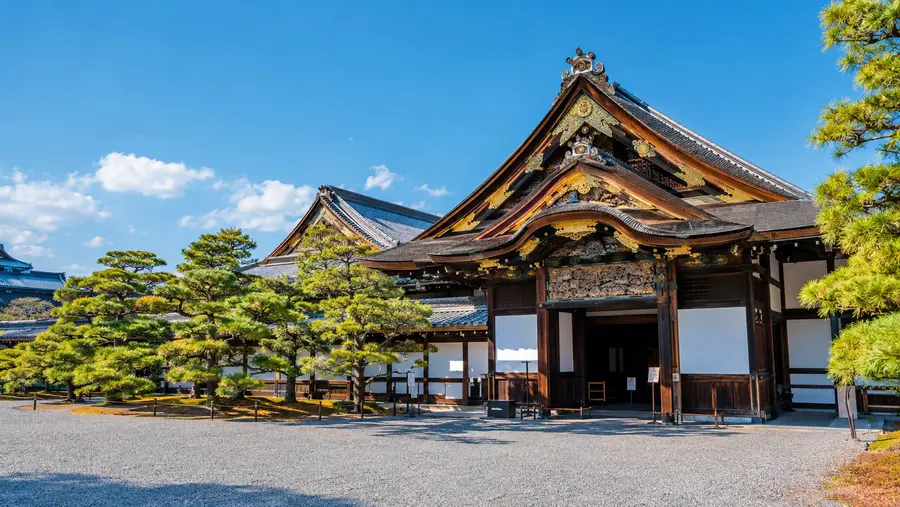
Beyond Ninomaru - Exploring the Wider Nijo Castle
While the Ninomaru Palace and its exquisite garden are undoubtedly the crown jewels of Nijo Castle, there’s plenty more to see on the sprawling grounds. Don't rush out after the palace; give yourself time to explore the entire complex. It’s easy to spend 2 to 3 hours here, maybe even more if you take your time. You can walk around the outer walls of the castle, which offer some nice views of the extensive moats. The Honmaru Palace, another significant structure, is usually not open to the public, but you can still admire its exterior and the surrounding Honmaru Garden. There are also other smaller gardens, like the Seiryu-en Garden, a more modern addition with a tea house, which is quite lovely. For a deeper dive into the castle's history and other features, you can always check out more information on Nijo Castle Kyoto. Consider taking one of the audio guides or looking into guided tour options. They can really enrich your understanding of the history and significance of what you are seeing. Sometimes knowing the stories behind the art and architecture makes all the difference.Frequently Asked Questions about ninomaru palace
What is special about Ninomaru Palace?
The Ninomaru Palace is renowned for its "nightingale floors" that squeak to alert of intruders, its magnificent screen paintings depicting tigers and pines, and its role as the official residence and audience hall of the Tokugawa shoguns.
Can you go inside Ninomaru Palace?
Yes, visitors can go inside the Ninomaru Palace at Nijo Castle. You must remove your shoes before entering and photography is not allowed inside.
How long does it take to see Ninomaru Palace and Garden?
It typically takes about 60 to 90 minutes to explore the Ninomaru Palace and its adjacent garden thoroughly, depending on how much time you spend admiring the details and reading the informational plaques.
Quick Reference
- Ninomaru Palace: Shogun's residence
- Nightingale floors: Acoustic security system
- No photography inside palace
- Garden: Designed for viewing
- Included with Nijo Castle admission
Book your nijo castle experience:
My Take on the Ninomaru Palace Experience
Honestly, the Ninomaru Palace at Nijo Castle is one of those places that truly transports you. It’s not just a collection of old buildings; it's a profound journey back to a pivotal era in Japanese history. The intricate artistry, the thoughtful design, and even the simple squeak of the floors create a very memorable experience. If you find yourself in Kyoto, allocating a good portion of your day to exploring this remarkable site is absolutely worth it. You'll leave with a deeper appreciation for Japan's rich cultural heritage.Read more about nijo castle.