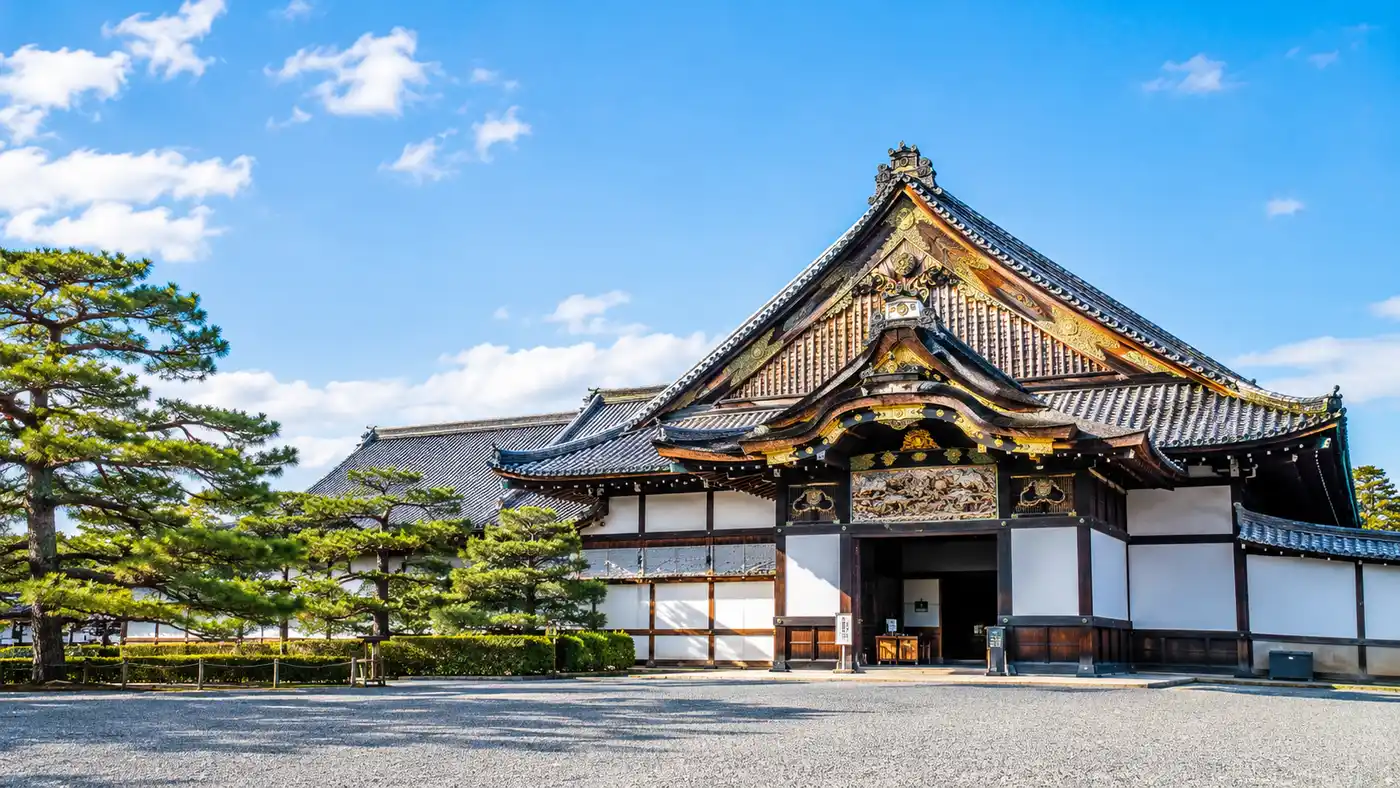
History & Significance of Nijo Castle
Stepping through the grand gates of Nijo Castle, you are not just entering a UNESCO World Heritage site; you are walking directly into centuries of Japanese power struggles, political maneuvers, and artistic brilliance. This Kyoto landmark offers a fascinating glimpse into a pivotal era, and understanding the true `history of Nijo Castle` really makes a visit come alive. It is more than just pretty buildings and gardens; it holds the very echoes of the shogunate's rise and fall. Honestly, before my first trip, I thought it was just another old castle. But the deeper I dug into its origins and purpose, the more I understood its profound significance. This article will take you through its construction, its role during the Edo period, its transition to imperial property, and what it means for Japan today.Book your nijo castle experience:
Powered by GetYourGuide
The Genesis: When and Why Nijo Castle Was Built
The story of Nijo Castle begins with one of Japan's most formidable figures: Tokugawa Ieyasu. After decades of relentless civil war, a period often called the Warring States era, Ieyasu emerged victorious at the Battle of Sekigahara in 1600. His triumph marked the start of the Tokugawa shogunate, a military government that would rule Japan for over 250 years. He needed a symbol, a physical manifestation of his new authority, especially in Kyoto, the traditional seat of the Emperor. That is `why Nijo Castle was built`. Construction began swiftly in 1601. It was designed not as a defensive fortress in the traditional sense, but as a lavish residence and a place for the shogun to demonstrate his immense power and wealth to the imperial court and visiting daimyo (feudal lords). The original plan, overseen by Ieyasu himself, was to create an opulent setting for his occasional visits from Edo (modern-day Tokyo), where the shogunate's administrative capital was established. The goal was to impress, to awe, and to subtly assert dominance over the Emperor, who resided nearby.Pro tip: While you are there, try to picture the sheer manpower and resources that would have gone into building something like this in the early 17th century. It really puts the scale of Tokugawa Ieyasu's ambition into perspective.
A Seat of Power: The Shogunate Era and Nijo Castle's Role
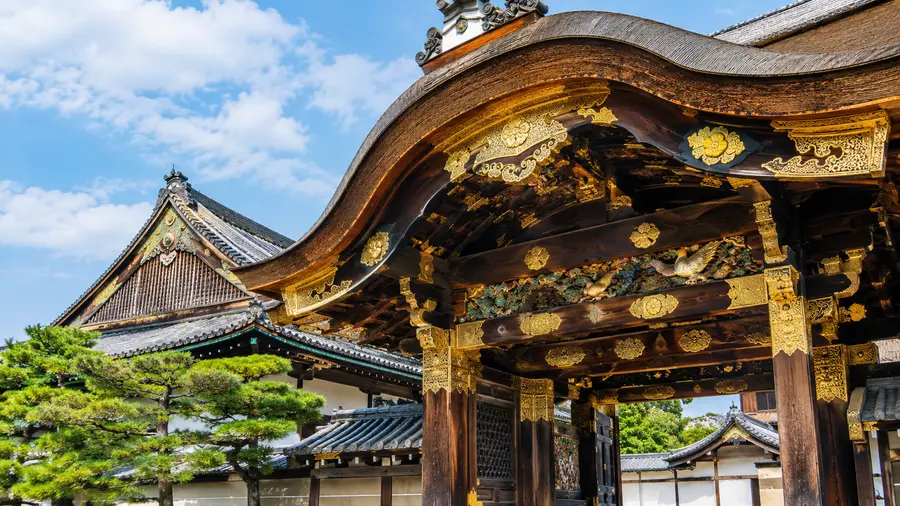
For many decades, Nijo Castle served its intended purpose. It hosted important ceremonies, official meetings, and served as the Kyoto residence for subsequent Tokugawa shoguns when they visited the imperial capital. The most famous event was probably in 1626, when Tokugawa Iemitsu, the third shogun, completely renovated and expanded the castle for a grand visit by Emperor Go-Mizunoo. This expansion brought in elements from Fushimi Castle, including some of its towers and gates, further enhancing Nijo Castle's grandeur. The architecture itself tells a story. The Ninomaru Palace, with its "nightingale floors" designed to squeak and alert guards to intruders, speaks volumes about the constant need for security and the political climate of the time. The elaborate paintings on the sliding doors, depicting tigers, pines, and other auspicious symbols, were not just decorative; they were meant to project strength and authority. These `Nijo Castle facts` highlight the careful thought put into every detail. The castle's `Nijo Castle defenses` were also formidable, even if largely symbolic. It boasts wide moats, tall stone walls, and several impressive watchtowers. You can still see a surviving `Nijo Castle watchtower` today, offering glimpses of its past defensive capabilities. These elements served as a constant reminder of the shogun's military might, even during times of peace. The layout, with its concentric rings of defense, was a classical Japanese castle design, adapted for a new purpose.Imperial Transition: From Shogunate to Imperial Villa
The `history of Nijo Castle` took a dramatic turn in the mid-19th century. After centuries of relative peace under the Tokugawa shogunate, internal and external pressures mounted, leading to the Meiji Restoration in 1868. This pivotal event saw the return of political power to the Emperor, effectively ending the samurai era. Nijo Castle played a direct role in this monumental shift. In 1867, Tokugawa Yoshinobu, the 15th and final shogun, gathered the daimyo at Nijo Castle and formally announced his intention to return governing power to the Emperor. This act, known as Taisei Hokan, marked the end of the Tokugawa shogunate. It was a truly historic moment, happening right within these walls. The castle, once a symbol of shogunal power, became the stage for its voluntary relinquishment.Note: While the formal announcement was made here, the actual political power shift was a complex process with many factors at play. The castle became an imperial property shortly after, transitioning from a shogun's residence to an Imperial Detached Palace.
Book your nijo castle experience:
Powered by GetYourGuide
Preservation and Legacy: Nijo Castle Today
In 1939, the Imperial Household Agency generously donated Nijo Castle to Kyoto City. The city then opened it to the public, allowing everyone to experience its rich heritage. In 1994, it was recognized as a UNESCO World Heritage site, cementing its status as a place of outstanding universal value. This designation acknowledges its significance not just for Japan, but for the world. Walking around today, you can see elements of its entire lifespan. The intricate `Nijo Castle construction` details are still visible, from the sturdy stone foundations to the elaborate carvings on the palace eaves. Much of `what is Nijo Castle made out of` includes cypress wood for the palace structures, combined with plaster walls and the famous tiled roofs. The extensive gardens, particularly the Ninomaru Garden, are meticulously maintained, offering a tranquil escape and a beautiful example of traditional Japanese landscape design. If you're planning a visit, consider checking out more information on the official Nijo Castle website for up-to-date details on visiting hours and events. The castle's two main palaces, Ninomaru and Honmaru, offer different perspectives. The Ninomaru Palace is the original and most visited part, famed for its nightingale floors and ornate interiors. The Honmaru Palace, while not always open, has its own story, having been moved here from the Kyoto Imperial Palace in the late 19th century. Learning about these distinct features really helps you appreciate the full scope of the castle's past.| Key Event | Year | Significance |
|---|---|---|
| Construction Began | 1601 | Ordered by Tokugawa Ieyasu as a symbol of shogunal power. |
| Completion & Ieyasu's Appointment | 1603 | Ieyasu appointed Shogun; castle serves as Kyoto residence. |
| Emperor Go-Mizunoo's Visit | 1626 | Grand renovation and expansion by Tokugawa Iemitsu. |
| Taisei Hokan (Return of Power) | 1867 | Tokugawa Yoshinobu formally relinquishes power to the Emperor. |
| Designated Imperial Detached Palace | 1884 | Becomes property of the Imperial Household. |
| Donated to Kyoto City | 1939 | Opened to the public for the first time. |
| UNESCO World Heritage Site | 1994 | Recognized for its outstanding historical and architectural value. |
Understanding the Broader Significance of the History of Nijo Castle
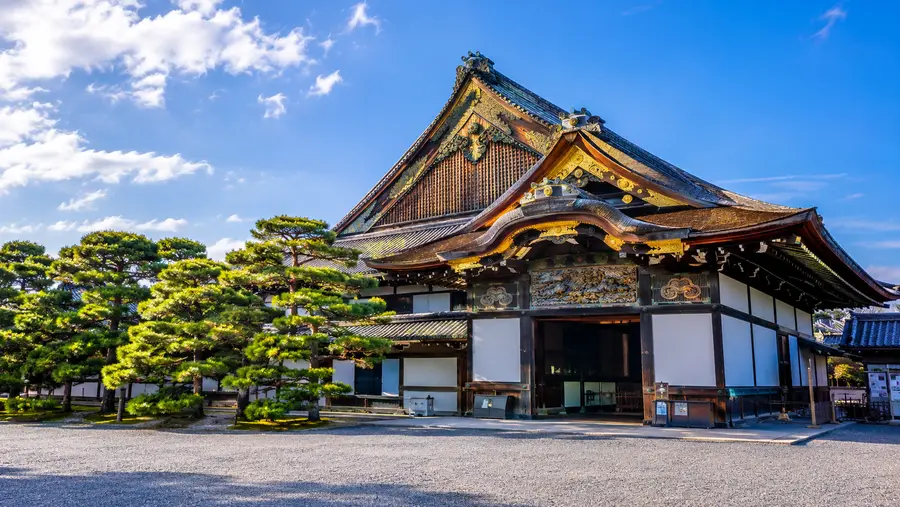
The `history of the Nijo Castle` is essentially a microcosm of Japan's journey through its feudal period into modernity. It represents the ambitions of the Tokugawa shogunate, their meticulous planning for political control, and the eventual peaceful transition of power. It's not just a collection of buildings; it's a living document of a profound transformation. Its significance extends beyond just political history. The art and architecture within its walls are treasures. The careful integration of buildings and gardens reflects the aesthetic values of the period. Every detail, from the grand gates to the intricate carvings, tells a story of craftsmanship and cultural expression. When people ask `what is the Nijo Castle made of`, they are often surprised by the blend of functional defense and artistic beauty. You might wonder, walking through the spacious grounds, how such a place could be built so quickly and endure so long. It speaks to the organizational power of the shogunate and the skill of the artisans of that era. It truly is one of the most interesting `Nijo Castle facts` that it stood as a silent witness to so much change. Here are a few key takeaways about why Nijo Castle remains so important:- Symbol of Power: It was the physical embodiment of the Tokugawa Shogunate's authority in Kyoto.
- Political Stage: The site of the formal end of the Shogunate and the return of imperial rule.
- Architectural Masterpiece: Showcases early Edo period castle design and palace architecture, including unique defensive features.
- Cultural Heritage: A UNESCO World Heritage site, preserving crucial aspects of Japanese art and history.
Quick Reference
- Built: 1603
- Builder: Tokugawa Ieyasu
- Purpose: Shogun's Kyoto residence
- UNESCO Site: 1994
- Key Event: End of Shogunate in 1867
Book your nijo castle experience:
Powered by GetYourGuide
My Take: Is the History of Nijo Castle Worth Exploring?
Absolutely. For anyone with even a passing interest in Japanese history, Nijo Castle is a must-see. It offers such a clear, tangible link to the past, allowing you to almost feel the weight of history in its halls. You don't just read about the Tokugawa shogunate; you walk where they walked, you see the rooms where pivotal decisions were made. It's a place that rewards curiosity. Take your time. Look at the details in the paintings, listen to the nightingale floors, and imagine the solemn processions that once passed through its gates. The `history of Nijo Castle` isn't just dates and names; it's a narrative of ambition, power, and change that shaped an entire nation. So, go on, step into history, you won't regret it.Read more about nijo castle.